전시
-
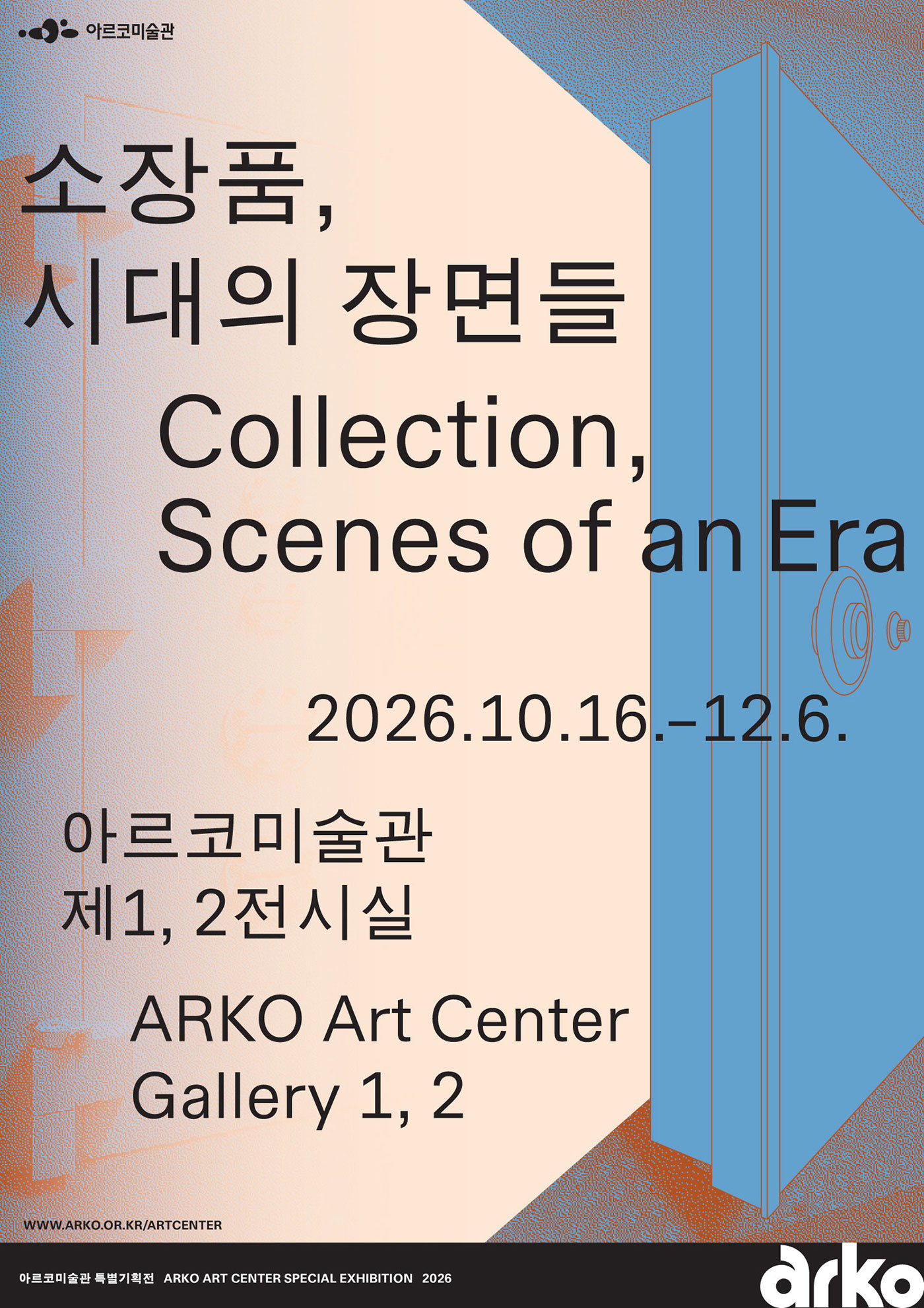
 전시중 2026 아르코미술관 특별기획전 《소장품, 시대의 장면들》
- 전시기간
- 2026.10.16~2026.12.06
- 관람료
- 무료
- 오프닝
- 10월 15일(목) 17:00
- 장소
- 아르코미술관 제1, 2전시실
- 작가
- 강경규, 강동석, 강승희, 강애란, 권영우, 김구림, 김수범, 김영주, 김을, 김종하, 김호득, 민복진, 민정기, 박기원, 박기호, 박생광, 박석원, 박숙희, 박승규, 박영하, 박일용, 박혜성, 배종헌, 성능경, 송상희, 신범승, 신장식, 신학철, 양만기, 양주혜, 엄태정, 유영렬, 윤석남, 이건용, 이기봉, 이만수, 이신자, 이정자, 이항성, 임근우, 임동식, 임민욱, 임종두, 임철순, 전래식, 전병현, 정수진, 정정엽, 조환, 차대영, 최민화, 최영림, 최종태, 최진욱, 한봉덕, 함양아, 홍명섭, 홍순주, 홍종명, 황용엽(총 60인)
- 부대행사
- 워크숍, 리서치 펠로우 연구 결과 공유, 전문가 전시 투어 등
- 주관
- 아르코미술관
- 주최
- 한국문화예술위원회
- 문의
- 02-760-4608 (담당자: 차승주)
- 담당부서
- 미술관운영팀
- 담당자
- 차승주
첨부파일
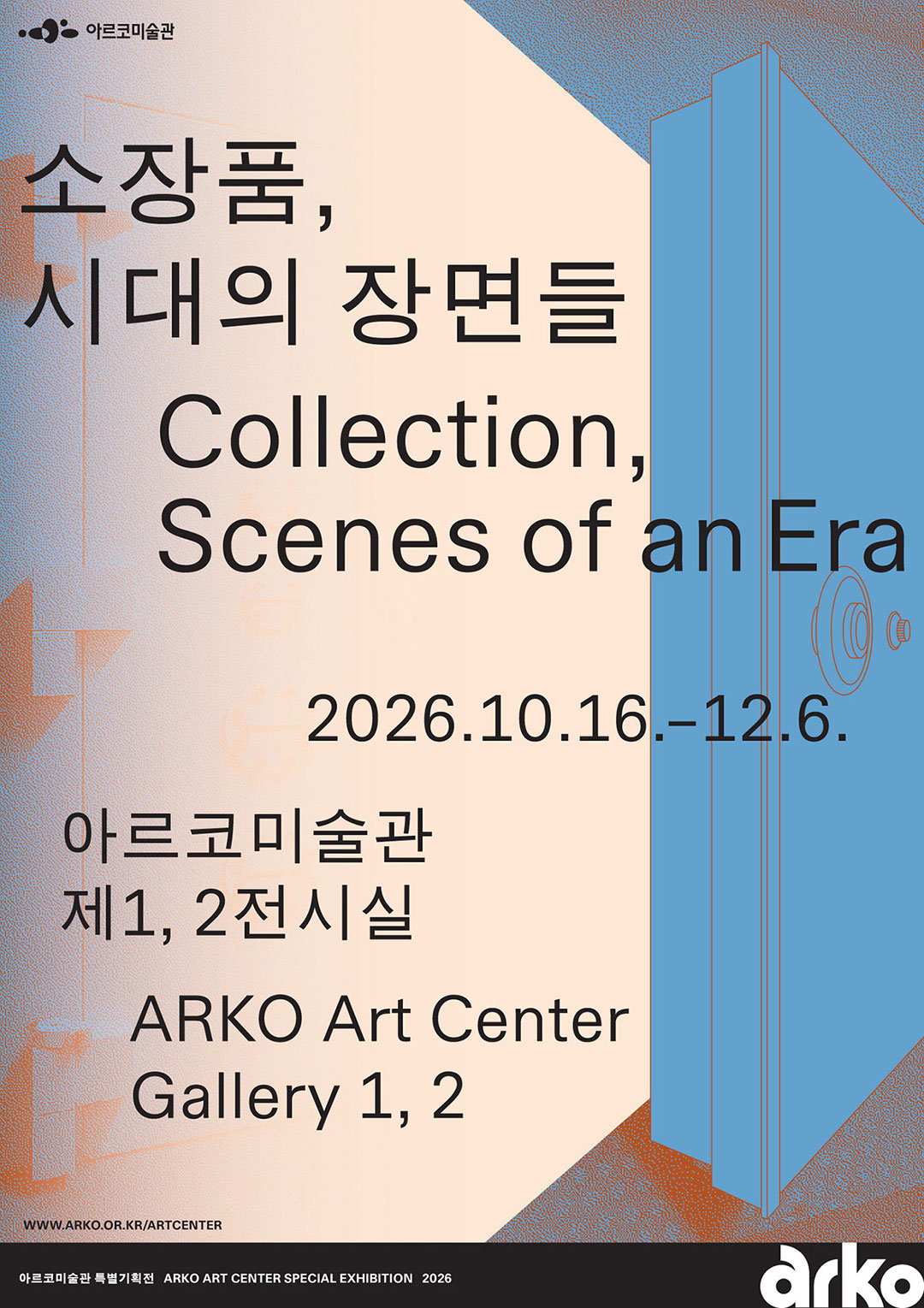
▣ 전시개요
- 전시명 : 2026 아르코미술관 특별기획전 《소장품, 시대의 장면들》
- 참여작가 : 강경규, 강동석, 강승희, 강애란, 권영우, 김구림, 김수범, 김영주, 김을, 김종하, 김호득, 민복진, 민정기, 박기원, 박기호, 박생광, 박석원, 박숙희, 박승규, 박영하, 박일용, 박혜성, 배종헌, 성능경, 송상희, 신범승, 신장식, 신학철, 양만기, 양주혜, 엄태정, 유영렬, 윤석남, 이건용, 이기봉, 이만수, 이신자, 이정자, 이항성, 임근우, 임동식, 임민욱, 임종두, 임철순, 전래식, 전병현, 정수진, 정정엽, 조환, 차대영, 최민화, 최영림, 최종태, 최진욱, 한봉덕, 함양아, 홍명섭, 홍순주, 홍종명, 황용엽(총 60인)
- 기간 : 2026.10.16.(금) - 12.6.(일)
- 운영시간 : 화-일요일, 11시-19시
- 장소 : 아르코미술관 제1, 2전시실
- 관람료 : 무료
- 주최 : 한국문화예술위원회
▣ 전시소개
아르코미술관의 2026년 특별기획전 《소장품, 시대의 장면들》은 아르코미술관 소장품 가운데 70점을 선별하여, 한국 현대미술의 주요한 흐름과 아르코미술관의 전시 역사를 바탕으로 소장품이 지닌 의미와 가치를 조명하고 작가들의 예술적 성취를 되새기고자 마련되었다. 전시장에서는 소장품, 작가들의 활동과 미술관의 전시사를 보여주는 아카이브 자료, 이번 전시에 참여한 외부 연구자들의 소장품 연구 성과가 함께 어우러져 한국 현대미술의 다층적 서사를 입체적으로 풀어낸다.
1970년대
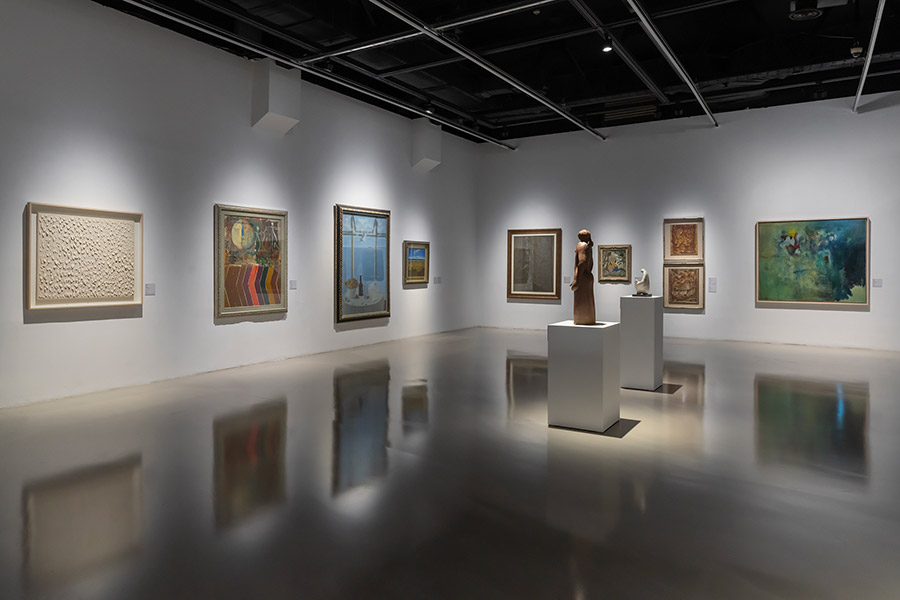
《소장품, 시대의 장면들》 전시 전경, 1970년대 섹션, 아르코미술관, 서울, 2026. © 아르코미술관, 사진: 조준용.
1970년대 한국 미술계는 단색화가 주요한 흐름으로 자리 잡는 가운데, 1960년대 말 대두된 실험미술과 기하학적 추상, 구상과 추상 사이의 반추상적 경향을 보인 ‘구상전’과 같은동인, 그리고 1970년대 후반의 극사실주의와 새로운 형상성 실험 등이 공존했다. 이 시기 미술 인구의 저변 확대를 위해 1974년 개관한 미술관은 대관 중심의 운영을 통해 다양한 개인전과 단체전을 지원하며 이러한 변화의 현장을 폭넓게 담아냈다. 김영주, 홍종명, 황용엽 등 추상·반추상 계열 작가들의 개인전을 비롯해 여러 공예가와 조각가를 주목한 《전국공예가초대전》, 《전국조각가초대전》 등을 개최했다. 또한 신진 작가들의 실험성이나 매체의 새로운 경향과 방법을 모색한 ‘한국미술청년작가회’, ‘서울방법작가회’, ‘한국구상조각회’ 등이 이곳에서 창립전을 열었고, ‘목우회’, ‘서울’70’, ‘제3그룹’, ‘십이월’ 등 여러 동인과 소그룹의 활동을 지원했다. 이를 통해 당대 미술 경향과 흐름을 소개하고 또 견인해 나갔다. 특히 1979년 동숭동의 현재 위치로 미술관을 이전하면서 개최한 개관기념전 《한국미술—오늘의 방법전》은 당시 한국 현대미술의 다층적 양상을 조망한 대표적인 전시 가운데 하나였다. 1970년대 섹션에서는 단색화, 구상과 추상, 반추상, 실험미술, 조각 등 이 시기의 다면적 경향을 엿볼 수 있는 작가 10인의 작품 십여 점과 관련 전시사 자료를 통해 당대 미술의 다양한 면모를 살펴본다.
1980년대
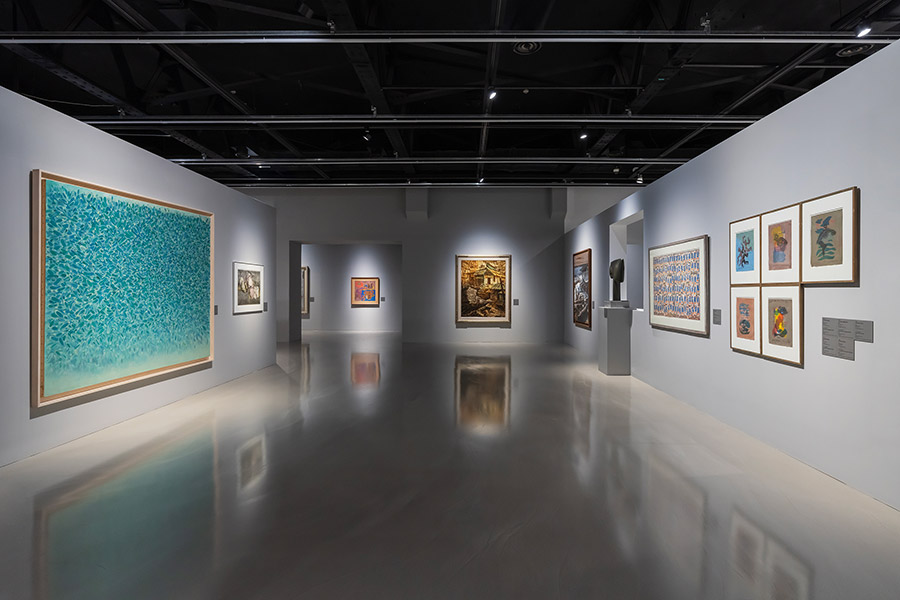
《소장품, 시대의 장면들》 전시 전경, 1980년대 섹션, 아르코미술관, 서울, 2026. © 아르코미술관, 사진: 조준용.
1980년대 전반기에는 현실주의를 내세운 민중미술이 급부상하며 모더니즘 진영과 대립 구도를 형성했고, 민주화와 현실에 대한 미술의 사회적 발언이 중요한 역할로 대두되었다. 그리고 후반기 들어 다원주의적 포스트모더니즘의 영향 아래 장르와 매체, 기존 규범을 벗어나는 자유로운 미학적 실험이 폭발적으로 나타났다. 이렇게 기존 모더니즘 계열의 흐름과 함께 극사실주의와 새로운 형상성, 민중미술, 그리고 탈모더니즘과 반모더니즘적 실험이
교차하면서 한국 미술의 지형은 한층 다원화되었다. 또한 추상미술에서도 30대의 젊은 작가들을 중심으로 보다 표현적이고 혼합적인 자유로운 경향이 나타났다. 미술관은 이러한 지형을 보여주는 강경규, 박승규, 임철순 등의 개인전을 비롯하여, 1970년대 중반부터 신진 작가의 발굴과 한국 현대 미술의 확산에 기여해 온 ‘서울현대미술제’의 정례전을 이어갔다. 또한 ‘82 현대회화’, ‘3월의 서울’, ‘메타복스’ 등 당대 새로운 경향을 이끌었던 소그룹과 ‘한울회’, ‘녹미회’ 등 여성 작가 동인들의 활동에도 주목하며, 다양한 세대의 실험적이고 도전적인 시도가 발화하고 교차하는 전시 공간으로 기능했다. 나아가 한국화 분야에서도 활발한 변화가 나타났다. 전반기에는 전통성을 강조한 수묵 중심의 움직임이 두드러졌다면, 후반기에는 채색과 접목한 채묵화와 형상성의 회복을 둘러싼 새로운 양상이 전개되었다.
특히 1984년에 열린 《박생광 전》은 그의 독창적인 채색화를 널리 알리며 이후 한국 화단에서 채색화가 주목받는 중요한 계기로 회자된다. 한편 이 시기 특기할 점으로 미술 지원 제도의 변화가 있다. 1982년 미술문화정책 변화에 따라 30년 동안 유지되었던 ‘대한민국미술전람회(국전)’가 막을 내리고, 예술위가 전국 최대 규모의 새로운 신인 공모전인 ‘대한민국미술대전’을 주최하게 되었다. 이를 통해 역량 있는 신인을 발굴 및 육성하여 한국미술의 활성화를 도모하고자 했으며, 주최 및 후원(1982~2006)하던 시기의 수상작들이 수증 방식으로 미술관에 소장되었다. 1987년에는 미술대전 수상작 일부를 모아 《1982–1986 대한민국미술대전 수상작가 초대전》을 개최하며 수상 작가들의 작업 경향 변화와 미술대전의 의미를 되짚기도 했다. 1980년대 섹션에서는 박생광의 미발표작과 대한민국미술대전 수상작을 비롯해 한국화의 실험적 양상, 구상과 추상의 다면화 경향을 보여주는 회화·조각·공예·판화 이십여 점과 관련 전시 자료를 소개한다.
1990년대
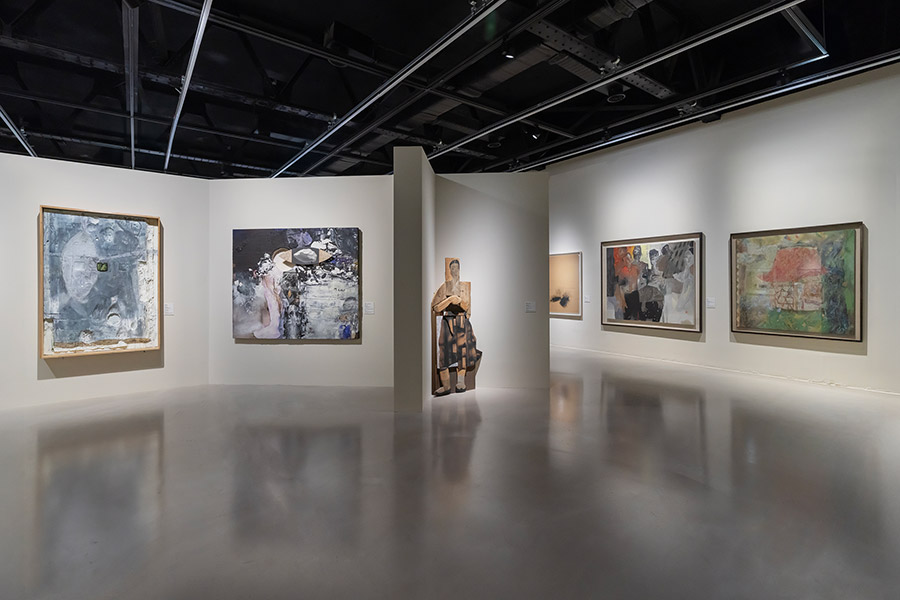
《소장품, 시대의 장면들》 전시 전경, 1990년대 섹션, 아르코미술관, 서울, 2026. © 아르코미술관, 사진: 조준용.
1990년대에는 민주화와 세계화, 정보통신기술의 발전과 함께 한국 사회와 미술계 전반에 새로운 변화가 나타났다. 포스트모더니즘 담론 확산과 함께 기존 장르와 매체의 경계를 넘나드는 신세대 미술이 등장했고, 문화정책 역시 국가주의 중심의 관점에서 국제화와 세계화의 방향으로 점차 전환되었다. 이러한 변화 속에서 미술관은 자체 기획전을 활성화하고 젊은 작가들의 실험적 작업을 집중적으로 소개했다. 대표적으로 《한국현대미술 신세대흐름전》(1992~2002)은 당시 30대를 중심으로 한 젊은 작가들의 신작을 대거 소개했으며, 이기봉, 양만기, 신장식, 강승희, 임민욱, 함양아, 정수진, 박기원 등이 참여했다. 도시, 생태, 신체, 기술 등 십여 년간 매회 다른 주제를 발굴한 이 전시는 미술의 다변화 양상을 견인하고 당대 주요 담론을 생산하며, 오늘날까지도 미술관의 대표적인 전시 가운데 하나로 언급된다.
동시에 이건용, 김구림, 신학철 등 실험적이고 독창적인 작업 세계를 구축해 온 중견 이상의 작가를 매회 한 명씩 집중 조명한 ‘기획초대전(구 대표작가전)’은 미술관의 공공적·선도적 역할을 부각하며 차별화된 이미지를 구축하고자 했다. 미술관은 또한 다양한 조각가·공예가·판화가 단체의 전시를 개최하며 1990년대 미술계의 다층적인 지형을 전시로 담아냈다. 이 섹션에서는 대한민국미술대전 수상작을 비롯하여, 1980년대 이후 지속된 한국화의 다변화 양상을 보여주는 작품 및 실험적 판화, 조각, 공예, 그리고 상기한 주요 전시에 참여한 작가들의 1990년대 작품 십여 점을 소개한다.
2000년대
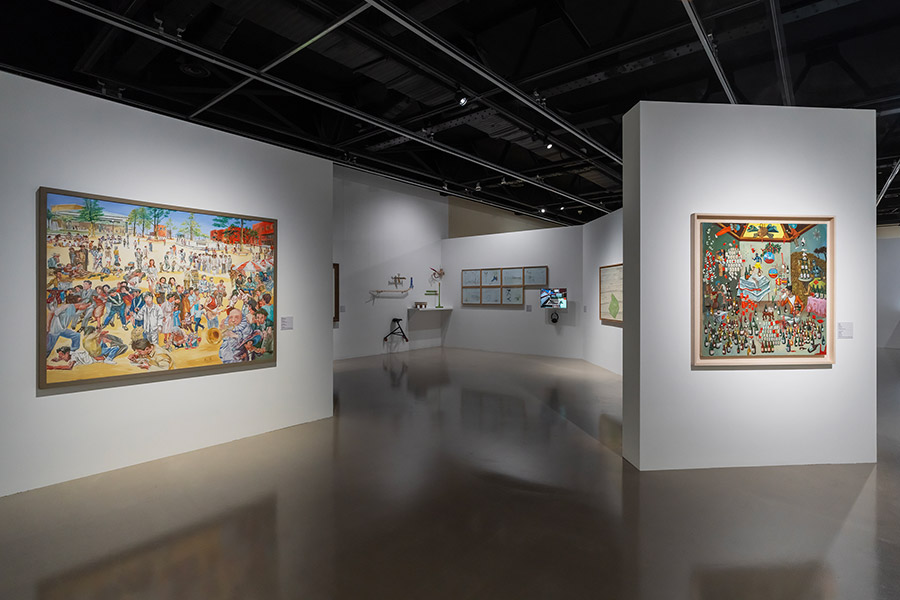
《소장품, 시대의 장면들》 전시 전경, 2000년대 섹션, 아르코미술관, 서울, 2026. © 아르코미술관, 사진: 조준용.
2000년대 들어서면서 1990년대 후반 IMF 외환위기 이후 위축된 예술 활동을 지원하기 위한 새로운 정책들이 도입되었다. 이 변화 속에서 미술관은 2002년 ‘마로니에미술관’으로 명칭을 변경하여 공공미술관으로서의 사회적 기능과 기획 역량 강화를 모색했다. 그리고 2004년, 수십 년간 지속되어온 대관 전시를 전면 폐지하고, 미술관의 지리적·역사적·문화적 정체성과 관객과의 새로운 소통 방식을 탐색하는 주제기획전을 활발히 선보였다. 대표적으로 양주혜, 최민화가 참여한 《공원 쉼표 사람들》(2003), 김호득, 박기원, 최진욱, 김을이 참여한《구름》(2004), 김수범이 참여한 《점점 발전소》(2005) 등이 있다. 한편 2005년 한국문화예술진흥원이 현장 예술인들의 합의제 체제인 한국문화예술위원회로 전환되면서, 미술관 역시 아르코미술관으로 개칭하고 공공미술관으로서의 위상을 다시 정립하고자 했다. 이 시기에는 역량 있는 작가를 집중 조명하는 한편, 새로운 담론을 개발하고 문화·사회적 이슈 제기를 통해 시대와 소통하며 기획 프로그램 전반의 체계화를 도모했다.
이에 따라 한국 현대미술 동향과 주요 키워드를 반영한 전시가 활발하게 개최되었고, 1990년대부터 이어져 온 ‘기획초대전’은 세대별로 대표작가전과 중진작가전으로 나뉘었다. 이 시기 최진욱, 양주혜, 임동식, 정정엽, 박기원 등이 중진작가로 초청되었다.
나아가 당대 영상·설치 작업의 활성화에 발맞춰 관련 작품 역시 적극적으로 소개되었다. 이 과정에서 임민욱, 함양아, 박혜성, 김수범 등의 작품이 다양한 전시에 출품되었다. 한편 이 시기에는 소장품 운영에도 중요한 변화가 나타났다. 대관 전시가 폐지되고 주제기획전과 개인전이 활발하게 개최되면서 미술관의 방향과 전시 주제에 맞춰 제작된 신작들이 대거 소장품으로 등록되었다. 또한 2006년까지 이어진 대한민국미술대전 후원과 수상작 수증 방식에서 벗어나, 소장품을 자체 기획전 및 개인전과 연계해 구입하는 방향으로 수집 체제를 개편했다. 이에 따라 회화와 조각 중심이던 소장품 구성은 영상과 설치 등 다양한 매체로 확장되었다. 2000년대 섹션에서는 당시 전시들이 포착하고자 했던 시대의 풍경과 작가들의 작업 주제가 지니는 연관성을 살펴보고, 오늘날 영상과 설치 분야에서 활발히 활동하는 중견 이상 작가들의 초기 작업을 만나볼 수 있다.
아카이브 섹션
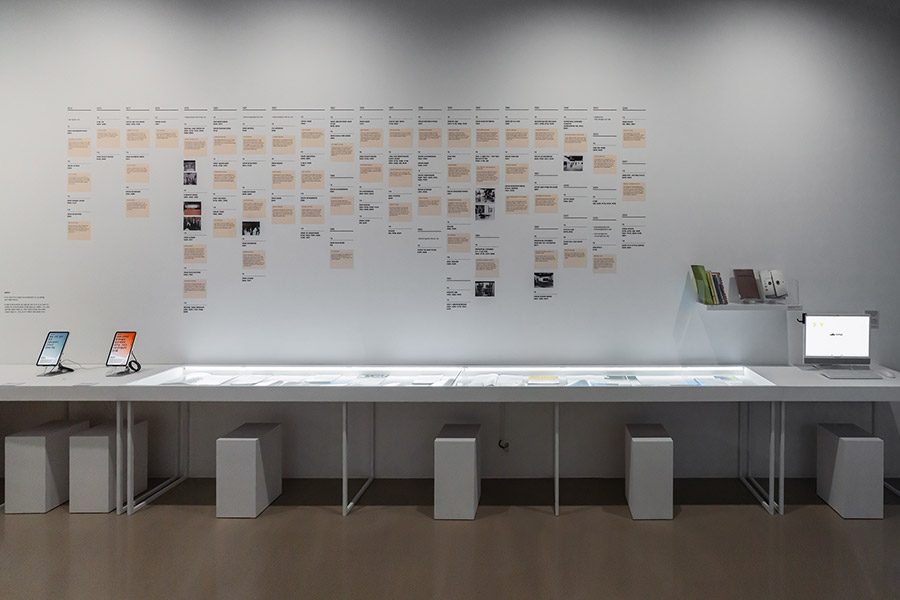
《소장품, 시대의 장면들》 전시 전경, 아카이브 섹션, 아르코미술관, 서울, 2026. © 아르코미술관, 사진: 조준용.
아카이브 섹션에서는 소장품의 연구 기능에 주목한 결과물을 선보인다. 작가들의 다양한 활동과 전시 역사를 보여주는 기록 사진 등 시각 자료를 공개하는 한편 이번 전시를 계기로 참여한 리서치 펠로우 여섯 명의 연구 결과를 공유한다. 이들은 아르코미술관의 전시사를 중심으로 한국 현대미술의 계보와 작가 및 소장품이 지닌 관계를 연구하여 작품과 시대적 맥락에 대한 해석을 심화했다.
▣ Overview
- Title : Collection, Scenes of an Era
- Artists : Kang Kyung Kyu, Kang Dong-Suk, Kang Seunghee, Kang Airan, Kwon Youngwoo, Kim Kulim, Kim Subeom, Kim Youngjoo, Kim Eull, Kim Chongha, Kim Hodeuk, Min Bokjin, Min Joungki, Park Kiwon, Park Kiho, Park Saengkwang, Park Suk-won, Park Sookhee, Park Seungkyu, Park Youngha, Park Il Yong, Park Hyesung, Bae Jong Heon, Sung Neungkyung, Song Sanghee, Shin Bumseung, Shin Jangsik, Shin Hakchul, Yang Mankee, Yang Juhae, Um Taijung, Yoo Young-Yul, Yun Suknam, Lee Kun-yong, Rhee Kibong, Lee Mansoo, Lee Shinja, Lee Jungja, Lee Hangsung, Lim Geunwoo, Rim Dongsik, Lim Minouk, Leem Jongdoo, Lim Chulsoon, Chon Naesik, Chon Byunghyun, Chung Suejin, Jung Jungyeob, Cho Hwan, Cha Daeyoung, Choi Minhwa, Choi Youngrim, Choi Jongtae, Choi Gene Uk, Han Bongduk, Ham Yangah, Hong Myung-seop, Hong Soonjoo, Hong Jongmyoung, Hwang Yongyop
- Date : 2026.10.16.(Fri) - 12.6.(Sun)
- Opening Hours : Tue-Sun, 11:00–19:00
- Venue : Gallery 1, 2, ARKO Art Center
- Free Admission
- Hosted by Arts Council Korea
▣ Introduction
ARKO Art Center’s 2026 special exhibition Collection, Scenes of an Era features 70 selected works from its collection. Drawing on the major currents of Korean contemporary art and the center’s exhibition history, the exhibition highlights the meaning and value of the collection while reflecting on the artists’ artistic achievements. It explores the multilayered narratives of Korean contemporary art by bringing together the artworks, archival materials documenting the artists’ activities and the center’s exhibition history, and findings from research on the collection conducted by external researchers participating in the exhibition.
1970s
Exhibition view of Collection, Scenes of an Era, 1970s section, ARKO Art Center, Seoul, 2026. © ARKO Art Center, Photo: CJY Art Studio.
During the 1970s, Dansaekhwa became a major current in Korean art, coexisting in a multilayered landscape with experimental art and geometric abstraction that had emerged in the late 1960s, groups such as Gusangjeon whose work occupied a semi-abstract position between figuration and abstraction, and the hyperrealism and experiments with new forms that emerged in the latter part of the decade. The Misulhoegwan, which opened in 1974 with the aim of broadening public engagement with art, supported diverse solo and group exhibitions through its rental-centered system, broadly reflecting these changes in the art world. In addition to solo exhibitions by abstract and semi-abstract artists such as Kim Youngjoo, Hong Jongmyoung, and Hwang Yongyop, it also presented the National Invitational Exhibition of Artisans and the National Invitational Exhibition of Sculptors, spotlighting a range of craft artists and sculptors. Groups exploring experimental approaches among emerging artists and new trends and methods in artistic media, such as the Korean Young Artists’ Association, Seoul Artists’ Methods, and Korean Figurative Sculpture Association, held their inaugural exhibitions at the center, which also supported the activities of various associations and small groups such as Mokwoohoe, Seoul ’70, Jae Sam Group[The Third Group], and December Group. In this way, the museum both presented and shaped trends and currents in contemporary art. The exhibition Korean Art—Today’s Method, which was held to commemorate the center’s 1979 reopening in its current location in Dongsung-dong, Seoul, was a defining example showcasing the multilayered landscape of Korean contemporary art at the time. The 1970s section explores the diverse aspects of art during this period through approximately a dozen works by ten artists—including examples of Dansaekhwa, figurative, abstract, and semi-abstract painting, experimental art, and sculpture—presented alongside archival materials on the history of exhibitions.
1980s
Exhibition view of Collection, Scenes of an Era, 1980s section, ARKO Art Center, Seoul, 2026. © ARKO Art Center, Photo: CJY Art Studio.
Minjung art, a realism-based approach that underwent rapid expansion in the first half of the 1980s, formed a current in opposition to modernism, with art assuming a critical role in making social statements regarding democratization and real-world conditions. Influenced by pluralistic postmodernism, the latter part of the decade saw an explosion of free aesthetic experiments that departed from genres, media, and established norms. As existing modernist currents intersected with hyperrealism, new forms of figuration, Minjung art, and postmodern and anti-modern experiments, the landscape of Korean art became increasingly pluralistic. Meanwhile, Korean abstract art during this period sought to move beyond Dansaekhwa, with young artists in their 30s taking center stage in exploring new approaches with freer expressive and mixed-media styles. Amid these changes, the Misulhoegwan continued presenting solo exhibitions by such artists as Kang Kyung Kyu, Park Seungkyu, Lim Chulsoon, and Park Saengkwang, reflecting this pluralistic landscape. It also continued hosting the Seoul Contemporary Art Festival, a regular exhibition event which had been helping discover emerging artists and broadening the reach of Korean contemporary art since the mid-1970s. The center also focused on the activities of small groups that led new contemporary currents, including ‘82 Contemporary Korean Paintings, March in Seoul, and Meta-Vox, and women artists’ associations such as Hanwool Artist Association and Nokmihoe. In this way, it served as an exhibition space within which adventurous artistic experiments by different generations emerged and intersected. Meanwhile, active changes were taking place in the field of Hangukhwa, traditional Korean painting. While the first half of the decade was marked by a focus on ink and an emphasis on tradition, its later period saw the development of new approaches such as the combination of color and ink and a return to figuration. The Misulhoegwan held numerous special group exhibitions to spotlight these developments. A solo exhibition by Park Saengkwang in 1984 raised broader awareness of his original chaesaekhwa (color painting) and is still discussed today as an important occasion that brought greater attention to color painting in Korea. Another noteworthy aspect of this period involved changes to the systems for supporting art. In 1982, following changes in art and cultural policies and the end of the 30-year run of the National Art Exhibition (Gukjeon), ARKO began holding the Grand Art Exhibition, Korea’s largest new competitive exhibition for emerging artists. This initiative was designed to discover and nurture capable artists and thus promote activity in Korean art as a whole. Award-winning works from the period during which ARKO was organizing and sponsoring the Grand Art Exhibition (1982–2006) were acquired by the center through donations. In 1987, it presented a selection of winning works at the Invitational Exhibition of Grand Art Exhibition Winning Artists, 1982–1986, examining changes in the award-winning artists’ work and reconsidering the significance of the competition. The 1980s section presents over twenty works together with related exhibition materials. In addition to previously unexhibited work by Park Saengkwang and award-winning submissions to the Grand Art Exhibition, it also spotlights experimental developments in Hangukhwa and works of painting, sculpture, crafts, and printmaking that exemplify the multifaceted currents in figuration and abstraction.
1990s
Exhibition view of Collection, Scenes of an Era, 1990s section, ARKO Art Center, Seoul, 2026. © ARKO Art Center, Photo: CJY Art Studio.
During the 1990s, Korean society and the art world experienced new changes with democratization, globalization, and advancements in information and communications technology. New Generation Art emerged with the spread of postmodernist discourse, crossing the existing boundaries of art genres and media. Cultural policies gradually shifted their focus from statism toward internationalization and globalization. During this time, the ARKO Art Center increased its special exhibition activities, focusing on experimental work by young artists. A defining exhibition series that took place against this backdrop was the New Generational Tendency in Korean Contemporary Art (1992–2002). This series presented numerous new works by young artists, primarily those in their 30s; participants included Rhee Kibong, Yang Mankee, Shin Jangsik, Kang Seunghee, Lim Minouk, Ham Yangah, Chung Suejin, and Park Ki-won. For roughly a decade, the exhibition explored new themes each year, including the city, ecology, the body, and technology, supporting the diversification of art and generating major contemporary discourse. It is still discussed today as one of the Misulhoegwan’s most defining exhibition series. Another key exhibition was the Invitational Exhibition (formerly the Representative Artist Exhibition), which highlighted one artist of established standing with an experimental and original body of work in each edition, including Lee Kun-Yong, Kim Kulim, and Shin Hakchul. This event sought to establish its own distinct image by emphasizing the Misulhoegwan’s public role and commitment to pioneering artistic practices. The multilayered landscape of the 1990s Korean art world was also reflected in group exhibitions held at the Misulhoegwan involving various associations of sculptors, craft artists, and printmakers, including the Hanwool Artist Association and the Korean Sculptress Association. This section showcases a total of 16 works, including award-winning submissions to the Grand Art Exhibition, works reflecting the diversification of Hangukhwa since the 1980s, experimental prints, sculpture, crafts, and works from the 1990s by artists who took part in the aforementioned major exhibitions.
2000s
Exhibition view of Collection, Scenes of an Era, 2000s section, ARKO Art Center, Seoul, 2026. © ARKO Art Center, Photo: CJY Art Studio.
In the early 2000s, new policies were introduced to support artistic activities that had contracted following the Asian financial crisis of the late 1990s. Alternative spaces began emerging in the art world as a reaction against the commercial gallery and established museum system, creating new settings for discourse and practice. The Misulhoegwan discussed improvements to its operations and its identity through its first mid- to long-term development plan (2000). In 2002, it changed its name to Marronnier Art Center as it explored ways of bolstering its curatorial capabilities and its social role as a public art institution. To this end, in 2004, it abolished the rental exhibitions that had been part of its history for decades; in their place, it dramatically increased the number of thematic exhibitions, international exchange exhibitions, and open-call exhibitions for emerging curators. Its numerous thematic exhibitions explored the center’s geographic, historical, and cultural identity and new methods of communicating with the public. Prominent examples include Park_ing (2003), which featured artists Yang Juhae and Choi Minhwa; Rolling Space (2004), which featured Kim Hodeuk, Park Ki-won, Choi Gene Uk, and Kim Eull; and Power Station (2005), which featured Kim Subeom. Meanwhile, the 2005 transition of the Korean Culture and Arts Foundation to become the current Arts Council Korea (ARKO), under a collaborative system of working art professionals, led to the center being renamed ARKO Art Center and once again seeking to redefine its status as a public art institution. During this period, the center sought to achieve greater consistency and structure across its different programs, under an approach that involved spotlighting talented artists, developing new discourse, and communicating with the historical context through engagement with cultural and social issues. This led to a proliferation of thematic exhibitions reflecting currents and major keywords in Korean contemporary art. Meanwhile, the Invitational Exhibitions, which had continued since the 1990s, were divided along generational lines into those for “representative artists” and those for “established artists.” Figures such as Choi Gene Uk, Yang Juhae, Rim Dongsik, Jung Jungyeob, and Park Ki-won were invited as established artists during this period. Recognizing the proliferation of contemporary video and installation-based works, the center also actively presented works in these media. Among the artists whose work was presented in various exhibitions were Lim Minouk, Ham Yangah, Park Hyesung, and Kim Subeom. Key changes also took place in the collection management system during this time. As the rental exhibition system was abolished and numerous thematic exhibitions and solo exhibitions were organized, many new artworks produced to reflect the center’s direction and the exhibition themes entered the collection. Parting ways with the approach that had continued through 2006—centered on support for the Grand Art Exhibition and the donation of award-winning works—it shifted its collection policy toward purchasing works in connection with the center’s in-house curated exhibitions and solo exhibitions. Where the collection had previously consisted primarily of paintings and sculptures, it now came to include diverse media, including video and installation. The 2000s section explores connections between the historical landscape that the exhibitions of this time sought to capture and the artists’ themes, offering a glimpse into the early works of now-established artists active in the fields of video and installation.
Archive Section
Exhibition view of Collection, Scenes of an Era, Archive section, ARKO Art Center, Seoul, 2026. © ARKO Art Center, Photo: CJY Art Studio
Archive section presents the outcomes of research centered on the collection. It shares visual materials, including archival photographs documenting the artists’ diverse activities and exhibition histories, together with the research findings of six research fellows invited to take part in the exhibition. Focusing on the ARKO Art Center’s exhibition history, these researchers examined the relationships between the lineages of Korean contemporary art, the artists, and the collection, offering in-depth analyses of the works and their respective historical contexts.